Learn Badminton From Zero to Professional Level
A realistic learning path from first grip to competitive habits, with the fundamentals in the right order.
Mastering Badminton: A Complete Guide to Building the Right Skills from Day One
Badminton is often underestimated. From outside the court, the game appears simple—a shuttle travels over the net, rallies end in seconds, and elite players seem to move effortlessly. In reality, every smooth movement is the result of years of technical training, disciplined practice, and intelligent decision-making.
Whether your goal is to enjoy the sport recreationally or compete at a higher level, lasting improvement comes from learning the fundamentals in the correct order. Building a strong foundation will accelerate your progress far more than chasing advanced shots too early.
1. Master Movement Before Power
The fastest players are not always the strongest—they are the most efficient.
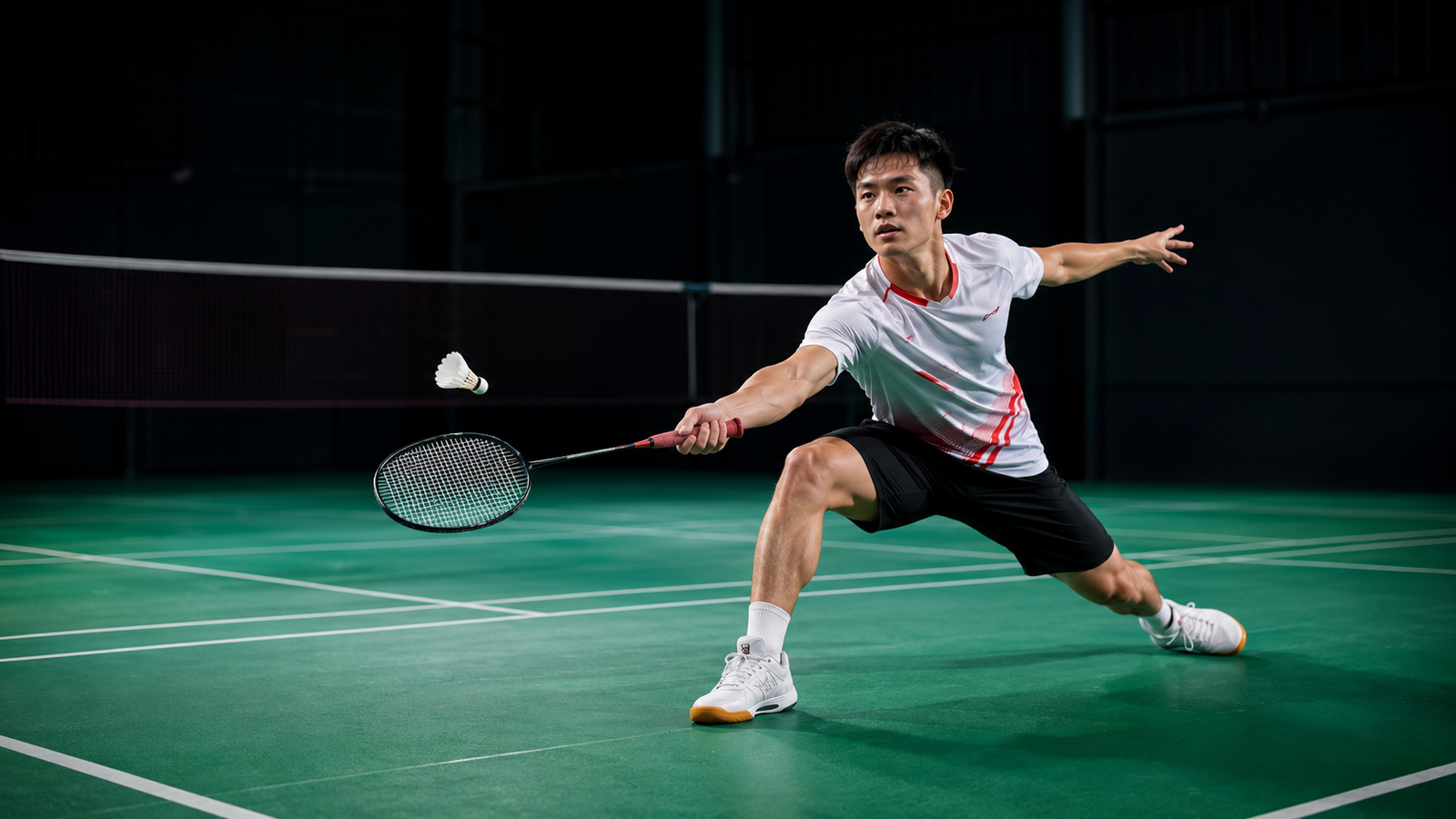
Before practicing powerful smashes or deceptive shots, focus on developing the movement patterns that support every stroke. A balanced ready position, a relaxed grip, and a consistent split step allow you to react quickly and recover efficiently after every shot.
Effective footwork enables you to reach the shuttle earlier, maintain balance, and execute strokes with greater control. Players who invest time in movement early often improve much faster than those who focus only on shot-making.
Key fundamentals include:
- Maintaining a balanced ready stance
- Using a relaxed grip that changes naturally during play
- Performing a split step before your opponent strikes
- Recovering quickly to the center after every shot
2. Build Consistent Contact
Power means little without consistency.
Developing clean shuttle contact should be one of your highest priorities. Practice overhead clears, controlled drops, and a dependable short serve until they become second nature.
Long, controlled rallies are one of the best learning environments because they improve timing, rhythm, positioning, and shot selection simultaneously.
Focus on:
- Clean overhead contact
- Accurate serving
- Consistent clears
- Controlled net shots
- Proper timing instead of maximum power
As consistency improves, confidence naturally follows.
3. Follow a Structured Weekly Training Plan
Improvement is rarely the result of random practice. A simple but consistent training routine produces far better long-term results.
A balanced weekly schedule might include:
- Two technical sessions focused on mastering one movement or stroke.
- One match-play session with a specific tactical objective, such as improving net play or defensive positioning.
- One recovery or mobility session to improve flexibility, prevent injuries, and maintain physical performance.
- A short training journal after each session to record lessons learned, common mistakes, and goals for the next practice.
Tracking your progress helps transform experience into measurable improvement.
4. Turn Practice into Match Performance
Practice develops technique, but competition develops decision-making.
Match play introduces pressure, unpredictability, and tactical situations that cannot be fully recreated through isolated drills. Begin with conditioned games that emphasize a particular skill, then gradually transition into full matches.
Instead of focusing solely on the final score, review questions such as:
- Which shots consistently won points?
- Where did errors occur most frequently?
- Was footwork efficient throughout the rally?
- Were tactical decisions effective under pressure?
Analyzing patterns rather than outcomes leads to continuous improvement.
5. Think Long-Term
There are no shortcuts to becoming an elite badminton player.
Professional athletes reach the highest level through years of deliberate practice, expert coaching, physical conditioning, competitive experience, and proper recovery. Sustainable progress comes from improving a little every week rather than searching for quick results.
Your first objective should not be perfection—it should be becoming a player who learns effectively, adapts consistently, and enjoys the process of getting better.
Final Thoughts
Badminton rewards discipline more than talent alone. Strong fundamentals, intelligent training, and regular competition create steady improvement over time.
Start by mastering movement. Develop reliable shot consistency. Practice with purpose. Compete with curiosity. Reflect on every session.
The players who improve the fastest are not always the ones with the biggest smashes—they are the ones who commit to learning the game one skill at a time.